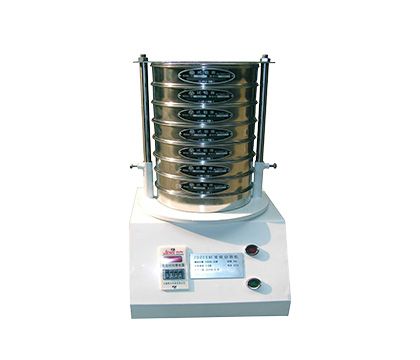
Laboratory SERIES
Laboratory Sieve Shaker
Choose the shaker and sieve stack together for the sample, particle-size method and reporting requirements.
Explore Equipment →
FIND YOUR SCREENING SOLUTION
Compare the instrument movement and sieve-frame compatibility against the sample and testing method.
Compare the instrument movement and sieve-frame compatibility against the sample and testing method.
Start with the analytical procedure and the sample. Choose a compatible instrument, sieve stack, lid and receiver together. A drive instrument provides motion; the sieve aperture and test method define the analysis. Record frame dimensions, sample preparation and endpoint before comparing vibration, tapping or compound-motion instruments. An analytical sample result is not an industrial production-rate test.
| Route / component | Why to consider it | Selection boundary |
|---|---|---|
| Laboratory sieve shaker | Catalogue lists a 200 mm sieve arrangement and timer | Confirm actual frame fit, lid/receiver and analytical method |
| Tapping instrument | Catalogue describes tapping/revolution settings | Use the method-specific endpoint; tapping is not automatically required |
| Compound-motion inspection instrument | Catalogue lists 200 / 100 / 75 mm sieve diameters | Confirm the supplied fixture and motion settings; name alone is not the method |
| Test-sieve set | Confirm which sieve frames and accessories the instrument quotation includes | Specify aperture list, frame dimensions, lid, receiver and documentation |
Laboratory SERIES
Choose the shaker and sieve stack together for the sample, particle-size method and reporting requirements.
Explore Equipment →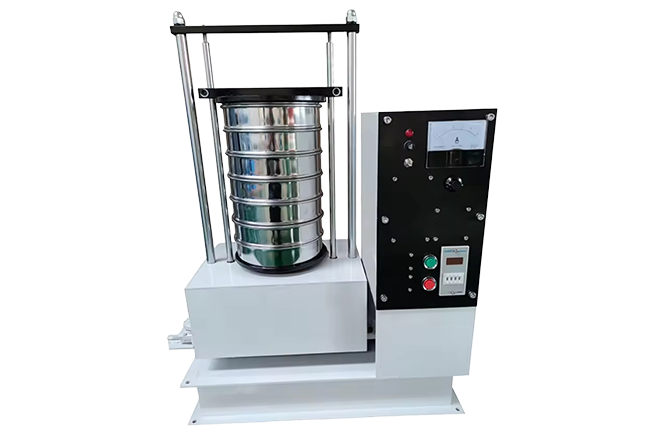
Inspection SERIES
Discuss the inspection method, sample and sieve-stack configuration before selecting this laboratory series.
Explore Equipment →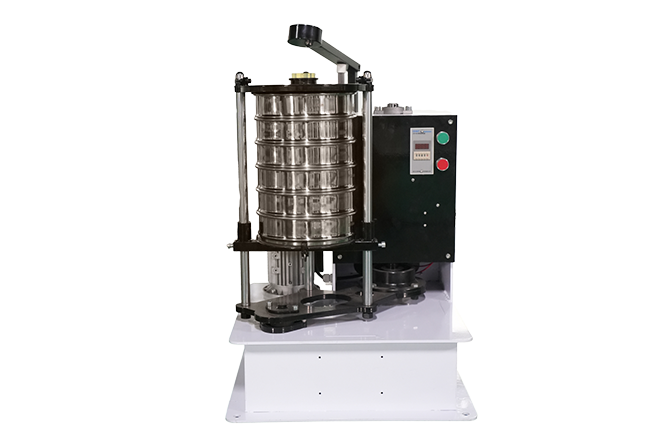
Laboratory SERIES
Evaluate the tapping movement, sieve stack and sample method as one laboratory testing arrangement.
Explore Equipment →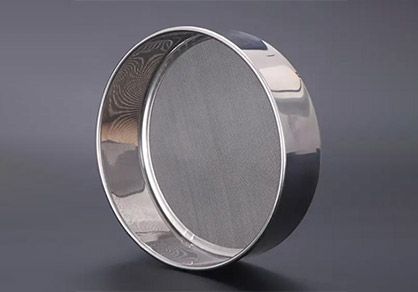
PARTS & CONSUMABLES
Specify a test-sieve set by aperture, frame dimensions, medium and the required method. Check the listed sieve range and compatibility with the actual laboratory instrument.
Explore Equipment →LET'S START WITH YOUR MATERIAL