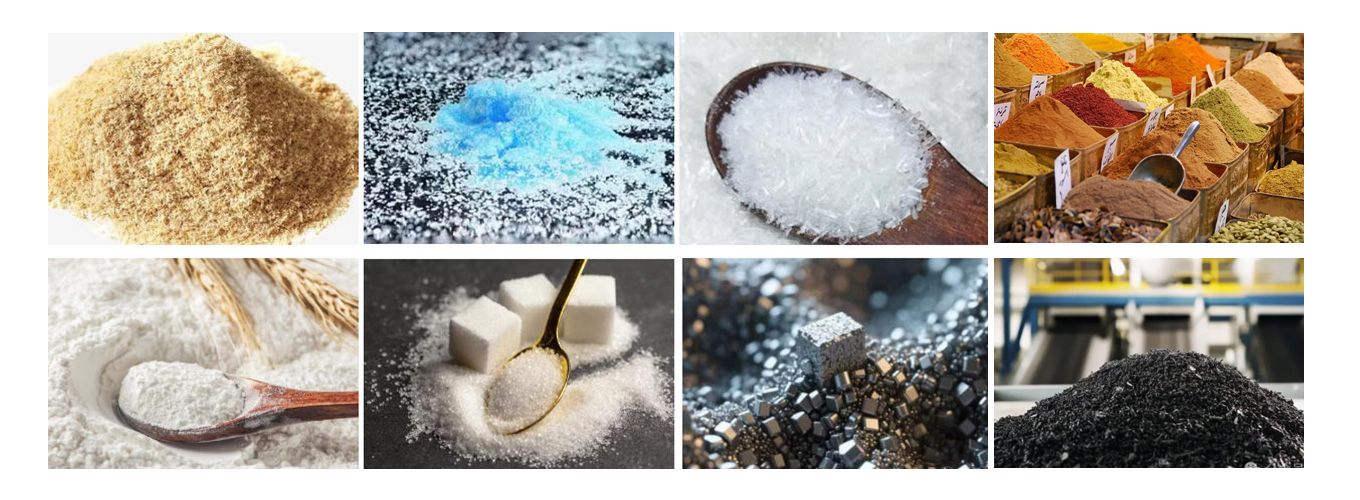
MATERIAL APPLICATION
Quartz and frac sand Screening
Plan quartz and frac sand screening around feed particle-size distribution, moisture, target grades and a representative continuous-feed trial.
Define the graded sand product
Quartz and frac-sand enquiries should include the intended size bands and the proportion of near-cut particles. Size screening does not establish roundness, crush resistance or other properties of a qualified end-use product. Distinguish dry grading from wet processing before comparing machines.
Agree the evaluation and its limits
Abrasive feed, dust and sustained loading can affect screen selection and maintenance planning. Request a material-specific assessment and layout, not an assumed replacement for a complete sand-processing plant. Trial reports should identify all product fractions and their sampling method.
Information for this material enquiry
Prepare the following material-specific information before a configuration is proposed.
- Representative size distribution and required bands
- Wet or dry duty and abrasive characteristics
- Output definition and any separate end-use test requirements
Shortlist a screening route for this duty
| Material task | Candidate / next decision | Why this boundary matters |
|---|---|---|
| Dry grading into specified sand bands | Review FYBS / FYB or linear SZF | Near-cut particles, abrasion, sustained feed and outlets |
| Wet feed or dewatering objective | Define a different process review | A dry grading catalogue is not evidence of dewatering performance |
| End-use qualification of frac sand | Independent material-quality tests may be needed | Size separation does not prove roundness or crush resistance |
Prepare the comparison and sample request